This site uses cookies for analytics and to improve your experience. By clicking Accept, you consent to our use of cookies. Learn more in our privacy policy.
Housing Tenants Contact Number - 01245204871
Head Office - 01245 381900 enquiries@environtec.com
If you would like to find out more about any of Environtec’s services, please get in touch. With offices and laboratories across the UK, we can help you wherever you are located.
Friday 3 July 2026 marks this year’s Action Mesothelioma Day. Not only is this day important to remember those who have lost their lives to mesothelioma, it’s a reminder of the very real health implications of asbestos exposure, and the improvements that can be made to keep our spaces and buildings safer.
What is mesothelioma?
Mesothelioma is a type of cancer that affects the lungs’ lining, and in a smaller percentage of cases, the peritoneum in the stomach. While treatable, the cancer is incurable.
The charity Mesothelioma UK states that an audit carried out between 2016 and 2018 found that out of 7,210 mesothelioma patients, 6950 cases affected the lungs and only 260 affected the peritoneum. At this time, almost 84% of patients diagnosed were male, and 75.7 was the average age when patients were diagnosed (Mesothelioma UK).
What causes mesothelioma?
Mesothelioma UK reports that a staggering 9 and out of 10 cases of mesothelioma were caused by exposure to asbestos. Diagnosis is often not a straightforward process and many tests – including an X-ray – will be done to confirm that mesothelioma is present. You can learn more about symptoms at Mesothelioma UK.
How does asbestos exposure happen?
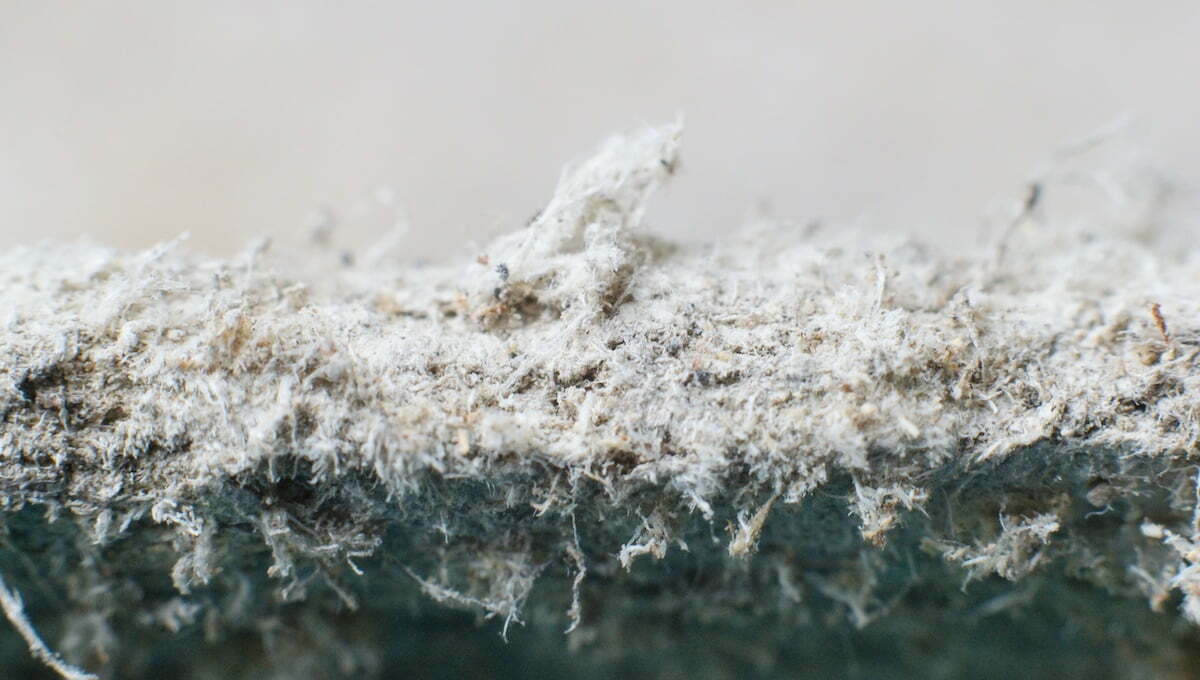
When disturbed, asbestos fibres are released from asbestos-containing materials into the atmosphere and can easily be inhaled, causing serious long-term lung conditions, such as mesothelioma and asbestosis (chronic lung disease). Prior to the UK’s outright ban of asbestos use in 1999, asbestos was used in many industries, including shipping, manufacturing and construction. Since the ban, asbestos remains a risk. It hides in buildings, plumbing and even old domestic appliances. Tradespeople and anyone who disturbs the fabric of a building built before 2000 are particularly at risk of asbestos exposure. It’s for this reason that anyone who could come across asbestos during their work is required to undertake asbestos awareness training.
If asbestos is banned, surely the number of mesothelioma deaths are decreasing?
The ban will certainly reduce the number of deaths overall. But the full impact of the ban will likely only be realised in decades to come, as symptoms are usually experienced 30-40 years after exposure. The number of mesothelioma deaths remained consistent throughout the 2010s, with 2,500 deaths attributed to the disease. More recent figures published by the Health and Safety Executive show a gradual, consistent decline in the number of deaths; 2,280 in 2022, 2,218 in 2023 and 2,146 in 2024.
While the ban and government legislation legally requiring non-domestic premises to actively manage its asbestos risk are helping to reduce the number of deaths, many campaigners argue the UK government needs to go further to protect everyone from asbestos with improved protocols for managing asbestos. One such example is outlined by community-interest company (CIC), Asbestos Information CIC, who support the concept of a national database for improved transparency on a building’s asbestos status. This community-interest group is made up of 12 companies—including Environtec—operating in asbestos risk management. Although they are direct competitors, these companies are only too aware of the dangers still posed by asbestos, and have united to raise awareness, conduct research and find solutions to the UK’s asbestos problem.
Could there be a different approach to managing asbestos risk?
Asbestos Information CIC have created the Asbestos Information Certificate; a certificate that would provide asbestos compliance information for a building or space, readable at a glance in the same way energy efficiency ratings are displayed for a building. You can read more about this initiative and Asbestos Information CIC by visiting their website (www.abestosinformation.org.uk).
Is the government running out of time to make significant changes to the way it manages asbestos risk management in the UK? Read this article for commentary on asbestos industry…
What is an asbestos management plan and why is it one of the most important documents for duty holders and their teams to update to ensure compliance with the Control…
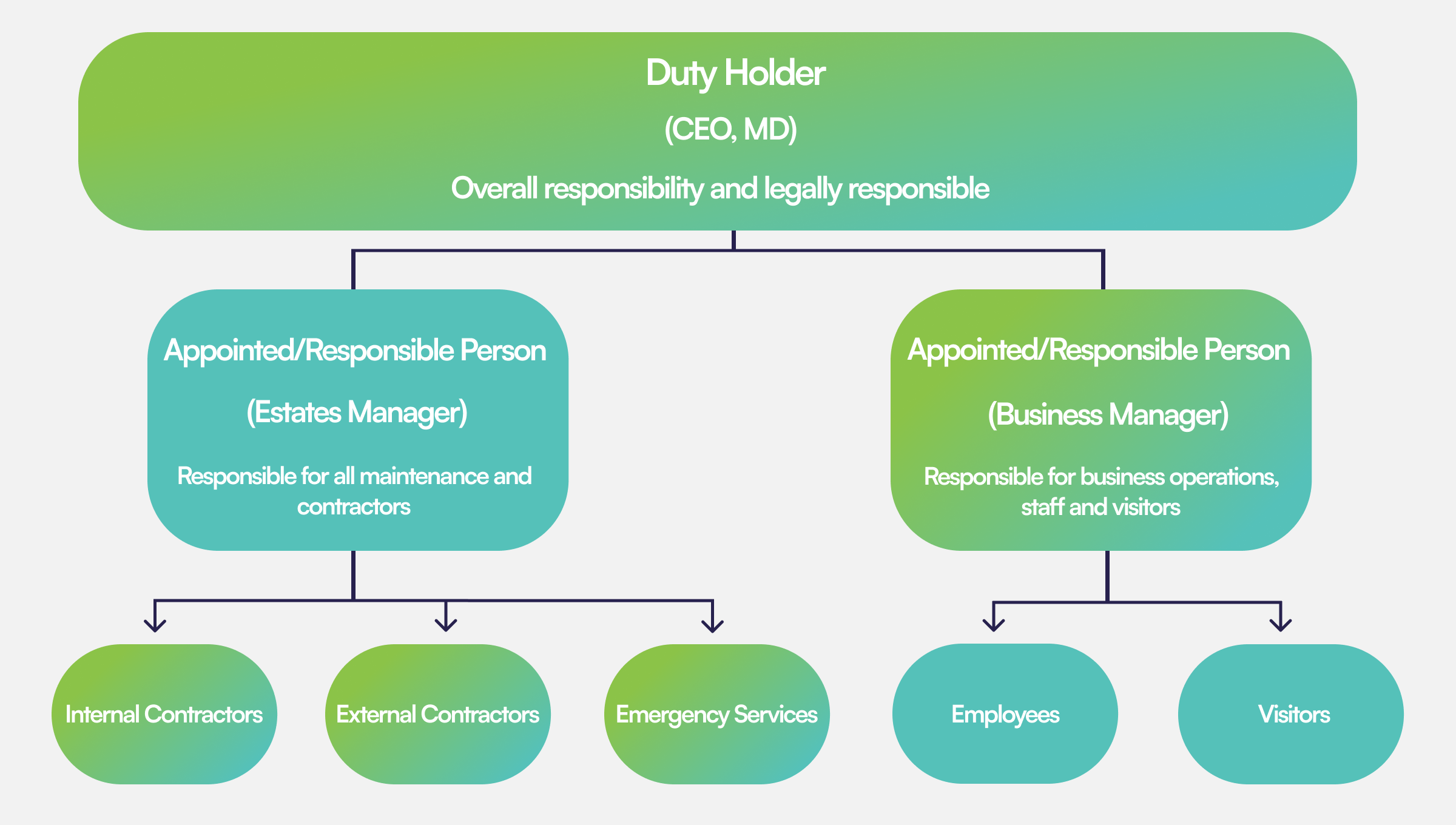
This article outlines the roles and responsibilities of those managing the risk of asbestos in UK non-domestic properties, built before 2000. Asbestos is a silent killer, causing approximately 5000 deaths…